|
Prevent Macular Degeneration!Did you know that female Caucasians are more prone to macular degeneration than say, men and Asians? Aside from gender and race, advanced age is also a major risk factor of this disease. Age-Related Macular Degeneration or AMD is a disease where the cells of the macula slowly die, causing vision problems. The macula is located at the center of the eye's retina. It is responsible for detailed central vision. 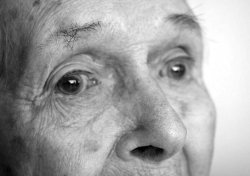
AMD is a leading cause of vision loss or blindness in Americans 60 and older. It is a "senior" disease that affects one third of adults over the age of 75! Other risk factors of AMD are:
Lutein is a phytochemical that has been shown to prevent AMD as well as cataracts. Vitamins C, E and A (beta-carotene) are all antioxidants that help prevent AMD as well. Read more on phytochemicals on fruits and vegetables that aid in AMD prevention. How much antioxidants should you take? The National Eye Institute’s Age-Related Eye Disease Study (AREDS) found that taking a specific high dose formula of antioxidants and zinc may delay or prevent intermediate age-related macular degeneration from progressing to the advanced stage. These antioxidant vitamins and minerals are:
These antioxidants suggested by the AREDS formula help maintain healthy cells and tissues and may prevent damage in the macula.
Glutathione is a relatively new antioxidant. So, its not as established as the older ones such as Vitamins C and beta carotene. But as the master antioxidant, glutathione helps fight AMD by fighting inflammation on the macula as well as other eye cells. After all, glutathione depletion comes with age. So, it makes sense to keep out GSH levels high to avoid age-related diseases such as macular degeneration! Want a Macular Degeneration testimonial? Read this incredible testimonial of a 96-year-old woman. Her vision improved in just 8 days after taking a glutathione supplement! Pretty amazing for an "unknown" antioxidant! Did you know that glutathione can help After all, Read more glutathione benefits here. Back to top
Return from Macular Degeneration to HOME
|